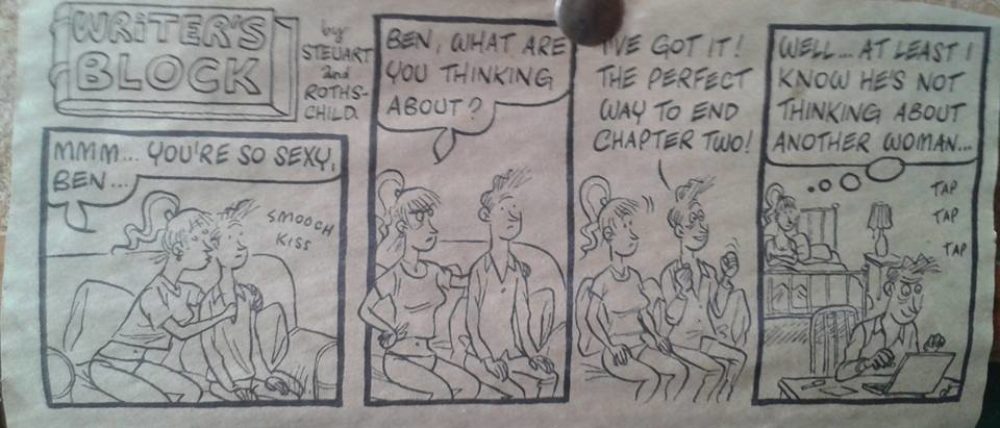
It’s very affirming when your wife assures you without even being prompted that, “You are not a sad little man.”
It may be because she saw my current reading: Sad Little Men: How Public Schools Failed Britain, by Richard Beard.
Richard Beard takes an entire book to say what I could have told you in a couple of lines, though to be fair he goes into a lot more thought and clearly exorcises a few personal demons along the way. To understand the Tories, at least from 2010 onwards, you HAVE to understand the public school system. When your entire childhood is one big sacrifice, and you convince yourself that it did you good, then you come to fetishise sacrifice. (At least, in other people. You yourself always have something to fall back on and so you conclude sacrifice can’t be that hard, not really, and if anyone finds it difficult it’s their fault, not yours.)
He also nails the ability to shut down emotion at will, the necessary absence of empathy, and the baked-in sense of entitlement. How many Tory policies ultimately come down to a horrified reaction against the notion that someone else might tell them what to do?
For all that, I only give him … let’s say, 7 out of 10. His thesis is essentially that for centuries, most of our leaders came from the Big Three: Eton, Harrow, Winchester. By the nineteenth century, demand was outstripping supply and this led to a rush of Big Three Wannabees, such as Radley, where the author went. Islands of privilege based in large stately mansions, surrounded by acres of grounds that serve the double purpose of providing killing playing fields and insulating the inhabitants from the real world beyond. In both cases, most of each year’s intake is fuelled by children whose parents want their kids to have a shot at the upper reaches of society, either doing better than the parents did, or at least maintaining the same standard. Until very recently, this meant paying for the privilege of your child not having any form of safeguarding and a standard of living significantly below what they could expect at home.
Well, partly. This thesis overlooks a substantial body – including my school, Sherborne – which don’t fit into either category. Not one of the Big Three, but still with some decent pre-nineteenth century history behind it. Sherborne dates from Edward VI (“vivat Rex Eduardus Sextus!”, as the school song chorus goes, cheerfully ignoring five centuries of subsequent developments on the domestic stage) and I don’t think we ever produced a Prime Minister. Looking through the Sherborne Register, a typical job title for someone in my Class of ’83 is now Vice President of Corporate Waffle and Other Crap Like That, and that seems to be the level it is happy to stay at – so, I don’t think it has ever been as socially aspirant as the type that Beard lambasts. There is an OS Society and perhaps it works, but I can safely say the closest the old school tie got to benefitting me in any way whatsoever was when another OS recognised it as we travelled on the Tube. Funnily enough, I was heading for a job interview, which I didn’t get…
In my case, I know there was never any doubt about going to boarding school, but for the practical reason that it provided stability for ten years of my life while my parents gallivanted around the globe at the behest of HM the Q. I would probably always have been privately educated, even if my father’s life had taken a different course, but not necessarily boarded. This very important justification for boarding is something Beard completely ignores. I think it helped me a lot: there were times when I was frankly miserable but I could actually see a point to it that made logical sense, unlike a boy who is also frankly miserable, knows perfectly well that they could have gone to a decent secondary modern closer to home if Mater and Pater had only been prepared to slum it, and can only cling to the deluded notion that this must be All For My Own Good.
Sherborne’s saving grace is not to be like one of the nineteenth century wannabees, based in its own isolated campus. Instead the houses are distributed around town and there are public rights of way through the central block of school buildings, so try as you might a boy can’t help but mingle with the Differently Washed. But as for all the essential faults of the public school system (see above) – oh, yes, they’re there too. No question of that at all.
Orwell is oft quoted in this (and his blistering essay on his own schooling, “Such, such were the joys“, is essential reading) but I’m not sure about his conclusion that the only way to sort out the problem is to ban all hereditary privilege. It’s probably true, but to give someone the level of power required to do so would just be asking for trouble. As he was doubtless aware, so I’m not sure how tongue in cheek he was being.
Ben’s solution? Fund the state system properly; make the state schools so good that the private ones just become so ever-more irrelevant that ultimately they just fade away. You’re welcome.
Altogether now: “We had joy, we had fun, we had Radley on the run, but the joy didn’t last ‘cos the bastards ran too fast…”
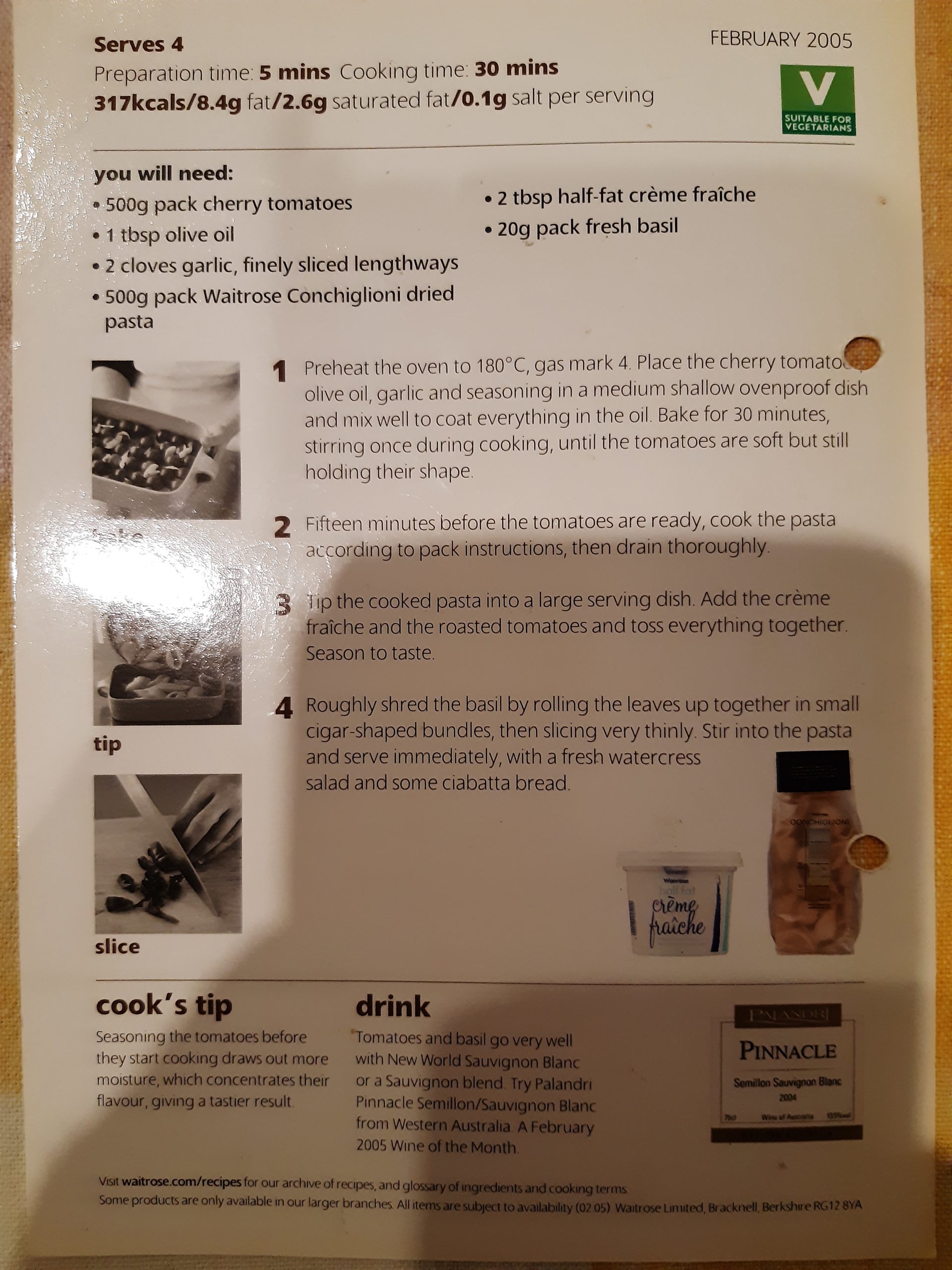
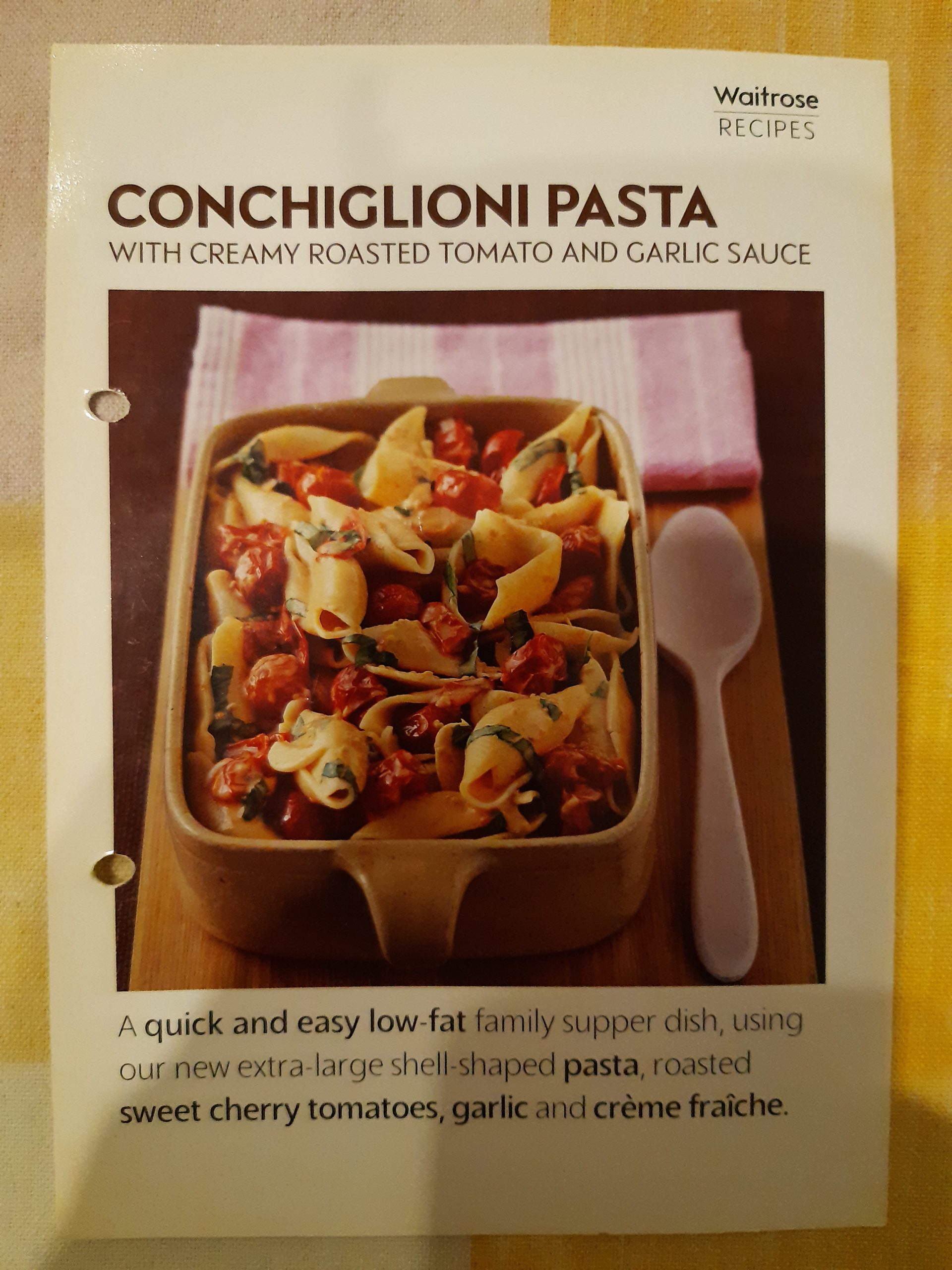
 A thoroughly delish dish that is, as it says on the packet, very easy to make. You don’t even have to worry about a thing except remember to take things off or out of their pre-set heat at the right time. Then just mix them together.